
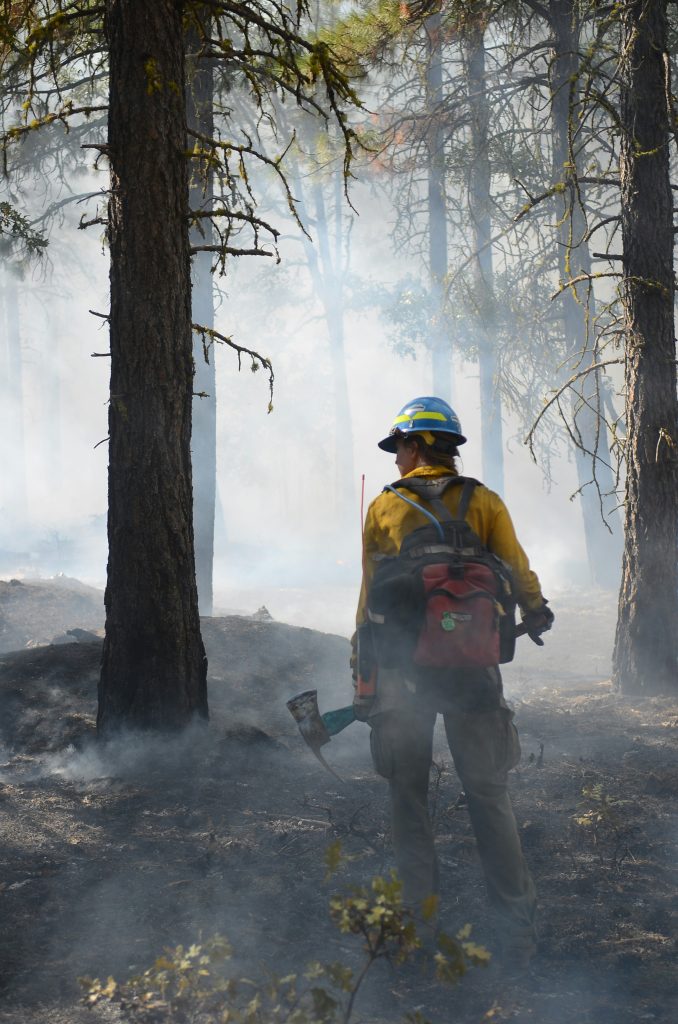
On June 24, 2026, the U.S. Forest Service and Department of the Interior announced a significant policy change: federal wildland firefighters are now authorized to use N95 respirators on the fireline after completing formal training. This includes operations in both traditional wildland and wildland-urban interface (WUI) environments.
This marks the first time N95 use has been officially permitted in these settings, and it’s being positioned as an interim step while a full respiratory protection program is developed.
The Positive Side: Immediate Protection
This decision is a meaningful step forward for firefighter health:
- Wildland and WUI firefighters have historically had very limited respiratory protection options.
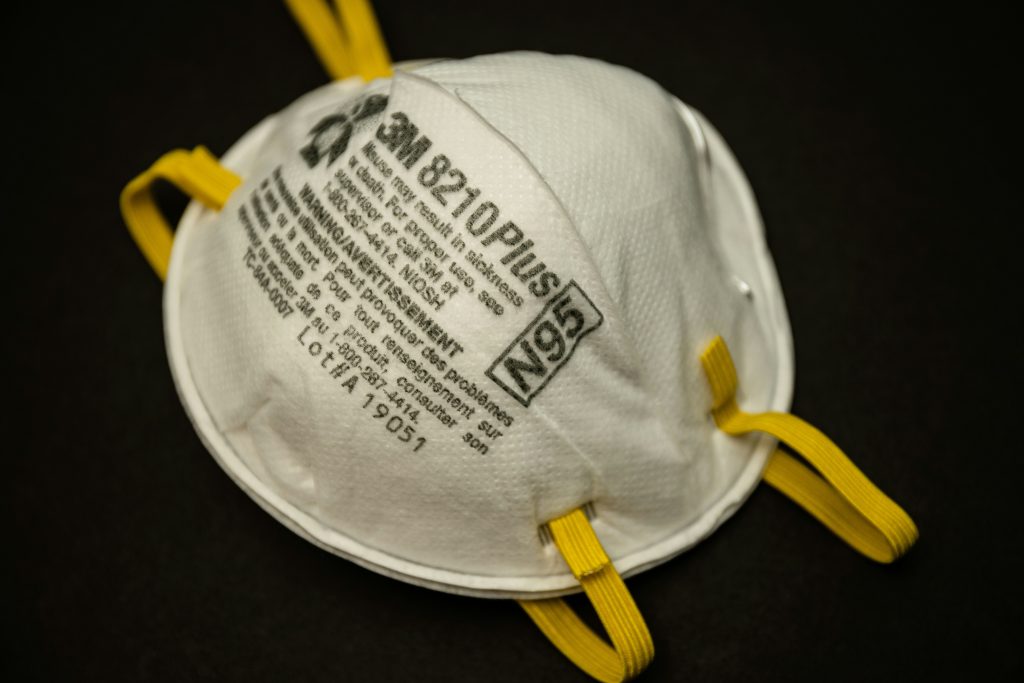
- N95s can filter out at least 95% of airborne particles, including smoke and particulates linked to long-term health issues.
- The policy includes required training on proper fit, use, and limitations in the wildland and interface environments.
- It shows increasing recognition of the serious health risks from prolonged smoke exposure, especially during extended WUI incidents.
For many firefighters, having some respiratory protection is better than none.
The Concern: A Potential Setback for Better Standards
However, this decision comes with a notable downside.
NFPA 1984 (the standard for wildland respiratory protection) aims to create respirators specifically designed for wildland and WUI firefighting conditions — including better heat and flame resistance, durability in harsh environments, and improved usability during extended operations.
By approving N95s as an immediate solution for both wildland and urban interface incidents, there is legitimate concern that the urgency to fully develop and implement more robust, purpose-built wildland respiratory standards could diminish.
N95s have significant limitations in these environments:
- They are not designed for high-heat conditions common in wildland and WUI fires
- They can become uncomfortable or ineffective during intense physical exertion
- They offer limited protection against gases and vapors
Bottom Line: Progress, But Not the Final Answer
This policy change is a pragmatic interim step that acknowledges the serious respiratory hazards wildland and WUI firefighters face every day. However, it should not reduce the push for purpose-built solutions that better match the unique demands of these operations.
The ideal path forward is to treat N95 use as a bridge — not a destination — while continuing to develop and adopt higher-performing wildland and interface respiratory protection standards.
Departments and firefighters should view this as a temporary tool while advocating for long-term solutions that provide better protection without compromising safety or usability.
What are your thoughts? Has your department started using N95s for wildland or WUI operations? Do you see this as a step forward or a potential distraction from better solutions?