
Wearing counterfeit or non-compliant protective equipment is one of the most dangerous risks firefighters face. Unfortunately, fake or substandard gear is becoming more common – especially online and through unauthorized sellers. Here’s how to protect yourself and your crew.
Why This is Serious
Legitimate NFPA 1970-compliant gear undergoes rigorous independent testing by accredited organizations. Counterfeit gear often skips this entirely, offering little to no real protection when it matters most.
Major Red Flags
1. Certification Marks
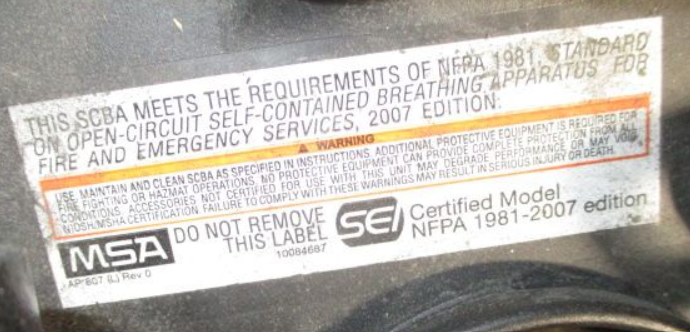
- Look for clear SEI or UL certification mark on the label.
- Red Flag: No third-party certification logo, or only vague claims like “Meets NFPA 1970” without an actual certifier mark.
2. Label Quality and Information
Legitimate labels are professionally printed and contain:
- Manufactuer name and model number
- Certification body mark (SEI/UL)
- Date of manufacture
- Care instructions
- NFPA compliance statement
Note: The required information may be carried by multiple labels on a single product
Red Flags:
- Blurry, faded, or poorly printed labels
- Missing traceability information
- Labels that look different from known authentic products
3. Construction and Materials
- Uneven or low-quality stitching
- Thin or inconsistent outer shell material
- Poorly attached reflective trim
- Unusual chemical smells
- Cheap feel compared to known good gear
4. Unrealistic Pricing
If the price is dramatically lower than similar gear from reputable dealers, treat it with extreme caution.
How to Verify Gear is Legitimate
1. Check Official Certification Product Listings
- SEI Certified Products: seinet.org
- UL Product iQ: https://ul.com
2. Buy from Trusted Sources
- Authorized manufacturers and dealers
- Department procurement channels
- Established safety equipment suppliers
3. Inspect Before Used
- Compare new gear against known authentic pieces
- Check all labels on every component (coat, pants, hood, gloves, helmet, footwear, SCBA, PASS, station wear)
What To Do If You Suspect Fake Gear
- Stop using it immediately
- Document everything with clear photos
- Notify your department safety officer
- Report it to the manufacturer and certification body if it falsely claims their mark
Final Thought
Your PPE is your last line of defense on the fireground. When it comes to protective equipment, if something feels off, it probably is. Taking the time to verify certification and quality is one of the most important things you can do for your safety.
Have you ever come across questionable gear? Share your experiences in the comments – it helps the whole community stay safer.
1 thought on “How to Spot Fake or Non-Compliant Firefighter PPE”