
What Workers and Employers Need to Know
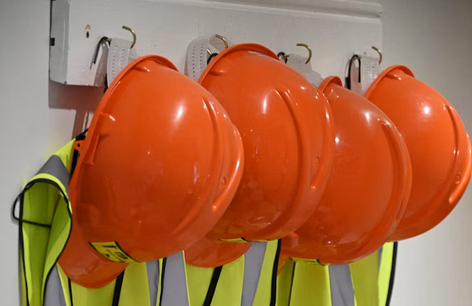
A significant update to occupational health and safety rules is rolling out across Canada: Type 2 safety helmets are now required on many job sites.
This change strengthens head protection standards and reflects growing recognition of the need for better lateral impact protection for industrial and construction environments.
What’s Changing?
Canadian provinces and industries are transitioning from primarily Type 1 hard hats to mandating Type 2 safety helmets with integrated chin straps.
Type 1 vs Type 2 Safety Helmets
| Feature | Type 1 | Type 2 |
| Impact Protection | Top-only | Top & Lateral (side) |
| Shell Material | Traditional | Often more advanced composites |
| Chin Strap | Usually optional | Often mandatory for full protection |
| Best For | Basic overhead hazards | Construction, industrial, utility, forestry |
| Reverse Wear Capability | Often reversible | Rarely reversible |
Why the Switch to Type 2?
Type 2 helmets provide superior protection against side impacts, which are common on construction sites, industrial facilities, utility work, and forestry operations. They also tend to offer improved stability and comfort features.
Who Does This Affect?
All Canadian Construction Safety Council (CCSC) construction sites. While Type 2 safety helmets can be used by anyone, CCSC is now making Type 2 with chinstrap safety helmets mandatory across Canada.
What Should You Do Now?
For Employers:
- Audit current hard hat inventory
- Update procurement policies to specify Type 2 compliant helmets (CSA Z94.1 Type 2)
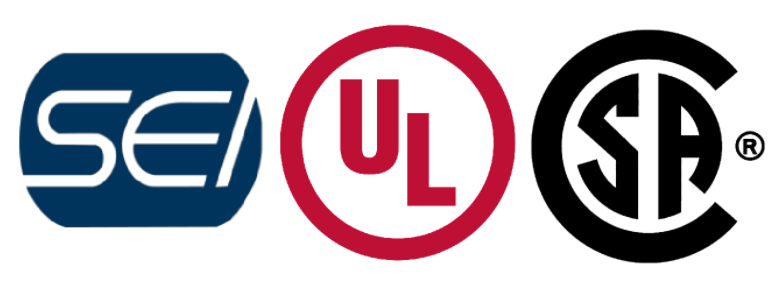
- Use third-party certified Type 2 compliant helmets (SEI, UL, or CSA marked helmets), not just ones that states “meets CSA standard” or other similar claims that are not independently verified
- Provide training on proper fit, inspection, and use
- Document compliance for regulatory inspections
For Workers:
- Check your current helmet’s certification label
- Look for CSA Z94.1 Type 2
- Look for certification mark (SEI, UL, or CSA)
- Replace older Type 1 helmets as required by your employer or site rules
- Inspect daily for cracks, dents, or suspension damage
Pro Tip: Always verify the certification mark (CSA Z94.1, ANSI/ISEA Z89.1, or equivalent) and the helmet’s expiration date. Helmets have a finite service life even if they look fine.
This move reflects a growing emphasis on proactive head protection across North America. While the United States has not adopted a nationwide mandate, many companies are already transitioning to Type 2 helmets voluntarily.